Tuesday, July 1, 2014

Structural Abnormalites

Structural Abnormalities-

-Cystocele-


-Cystocele is a hernia of the anterior vaginal wall that is associated with decent of the bladder

-Risk factors for cystocele include parity, advancing age, and obesity

-Hysterectomy may be associated with an increase risk of cystocele

-Chronic constipation can increase the risk for cystocele

-Clinical symptoms may include:  bulge, vaginal pressure, sexual dysfunction, and urinary and defecation problems

-Treatment is indicated for women with symptoms of prolapse.  Asymptomatic cystocele is not an indication for treatment


-Surgical correction is definitive therapy


-Uterine Prolapse-


-Apical prolapse is descent to the cervix, uterus or vaginal vault

-Apical vaginal prolapse is descent of the vaginal cuff scar or cervix, below a point which is 2 cm less than the total vaginal length about the plane of the hymen.

-Risk factors for development include:  parity, obesity, chronic constipation, hysterectomy, and advancing age

-Indications for surgical correction are those who are symptomatic and can tolerate surgical repair


-Rectocele-


-Rectocele is anterior protrusion of the rectum, usually into the vagina.

-The diagnosis of this is make of pelvic examination

-Risk factors for rectocele include:  vaginal childbirth, advancing age, and increasing body mass index

-Treatment is surgical correction definitively

Disorders of the Breast

Disorders of the Breast-

-Breast Abscess-


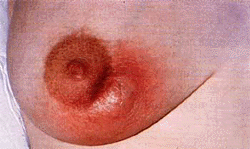
-A breast abscess is a localized collection of purulent material that develop usually as a result of mastitis

-Do not have to be lactating to develop breast abscess

-Signs and symptoms of breast abscess is painful inflammation of the breast associated with malaise, along with fever and tender fluctuant mass

-Primary treatment of breast abscess is incision and drainage

-If an abscess is suspected an ultrasound should be done to confirm and help localize the pocket of purulent material

-In the absence of MRSA risk factors, empiric therapy with cephalexin or dicloxacillin should begun.

-With MRSA risk factors bactrim or clindamycin should be initiated.

-In the setting of severe infection vancomycin should be given

-Subaerolar breast abscess with a retracted nipple should raise the possibility of anaerobic infection and should start augmentin or clindamycin

-Women should continue breast feeding

-Breast Fibroadenoma-


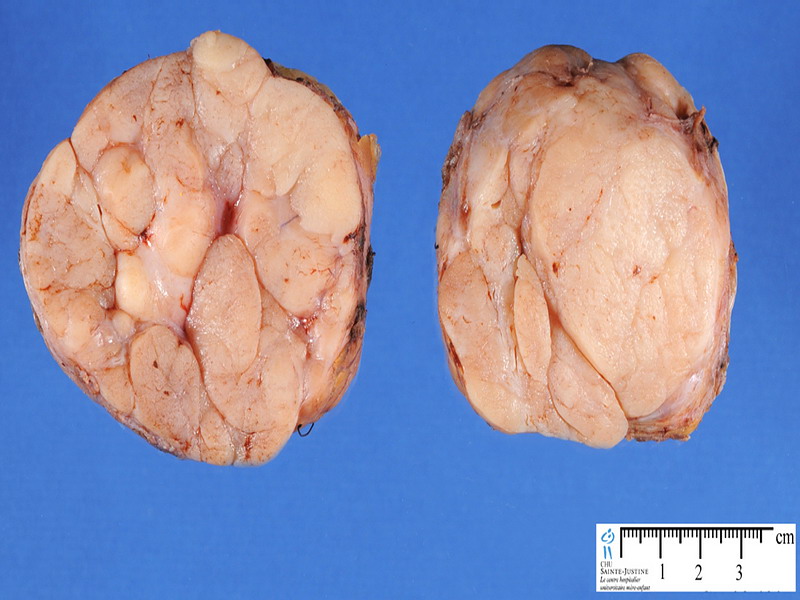
-Simple fibroadenomas are benign sold containing tumors that have some glandular as well as fibrous tissue

-Multiple fibroadenomas can occur on the same breasts or bilaterally

-Etiology of fibroadenomas is not known but thought to be hormonal.  They persist during the reproductive years, can increase in size during pregnancy or with estrogen therapy, and regress in menopause

-Fibroadenomas are usually found between the ages of 15-35

-With complex fibroadenomas there is an increase risk of breast cancer

-Physical exam usually reveals a well defined mobile mass, and a solid mass on ultrasound

-It is not necessary to excise biopsy proven fibroadenomas

-If a presumed fibroadenoma is symptomatic or increases in size, then incision is mandatory to rule out malignant change

-Rapid growth increases the suspicion for phyllodes tumor


-Fibrocystic Disease-


-Fibrocystic disease is breast pain that is attributed to fibrocystic changes

-The pain may be cyclical with the menstrual cycle hormone changes

-The terminology of the breast exam is nodular sensitive breast

-These are considered normal physiologic changes

-Patients should have regular mammograms and surveillance


-Mastitis-


-Mastitis is the localized inflammation of the breast tissue that may or may not be accompanied by infection

-Three major classifications of mastitis:  infections, non infectious, and mastitis associated with malignancy

-Infectious mastitis can include simple mastitis or complicated mastitis (abscess formation)

-Lactational mastitis is the most common form of mastitis

-Non infectious mastitis can be from post irradiation mastitis, periductal mastitis, and idiopathic granulomatous mastitis

-Lactation mastitis best treated with cephalexin or augmentin

-If MRSA is suspected use bactrim

Menstruation

Menstruation-

-Normal Physiology-


-Dysfunctional Uterine Bleeding (DUB)-


-DUB is defined as irregular uterine bleeding not due to anatomic lesions in the uterus

-DUB is usually due to anovulation due to polycystic ovarian disease, exogenous obesity or adrenal to adrenal hyperplasia

-Females with DUB have irregular often heavy uterine bleeding

-Women with DUB have chronic estrus.  They have non regular estrogen concentrations that stimulate growth and development of the endometrium

-When there is no predictable effect of ovulation, there is no progesterone induced changes

-With DUB the endometrium thickens and outgrows its blood supply and sloughs off causing irregular heavy bleeding that is not predictable

-If there is chronic stimulation of the uterine lining form low blood estrogen, the episodes of DUB are infrequent and light.

-When there is chronic stimulation from high levels of estrogen, the episodes of DUB are heavy and happen often

-Midcycle spotting can happen with ovulation and usually is self limited attributed to the sudden drop of estrogen

-Before a diagnosis of DUB is made, need to rule out structural causes such as uterine leiomyomata, infection or inflammation of the genital tract, cervical cancer, endometrial cancer, cervical erosions, cervical polyps, and lesion in the vagina.

-Complications of DUB include blood loss, endometrial hyperplasia that can lead to carcinoma, and incapacitating everyday living

-One treatment of DUB includes treatment with high dose progesterone for at least 10 day trying to thin the endometrial strip with withdrawal bleeding.

-Another alternative is administration of contraceptives to establish a regular withdrawal cycle in an effort to make it predictable

-If medical treatment fails, may need a D and C


-Amenorrhea-


-Amenorrhea is the absence of menses.  It can be temporary, permanent, or occur intermittently

-Amenorrhea can result from dysfunction of he hypothalamus, pituitary, ovaries, uterus, or vagina

-Primary Amenorrhea is the absence of menarche by age 15

-Secondary amenorrhea is the absence of menses for 3 cycle intervals or six months women women were previously menstruating

-Etiologies of primary amenorrhea is usually the result of chromosomal abnormalities, hypothalamic hypogonadism, absence of uterus, cervix, or vagina (mullerian agenesis), transverse vaginal septum, imperforate hymen, and pituitary disease

-Pregnancy is the most common cause of secondary amenorrhea

-Common causes of secondary amenorrhea include disorders of the ovary, hypothalamus, pituitary, and uterus

-Lab work up should include pregnancy test, prolactin, FSH, TSH, DHEA-S

-High FSH concentrations suggest primary ovarian failure or insufficiency

-Further evaluation may look at assessment of estrogen status

-Treatment of women with secondary amenorrhea should be directed correcting the underlying pathology if possible and medical treatment to prevent complications such as estrogen replacement for prevention of osteoporosis


-Dysmenorrhea-


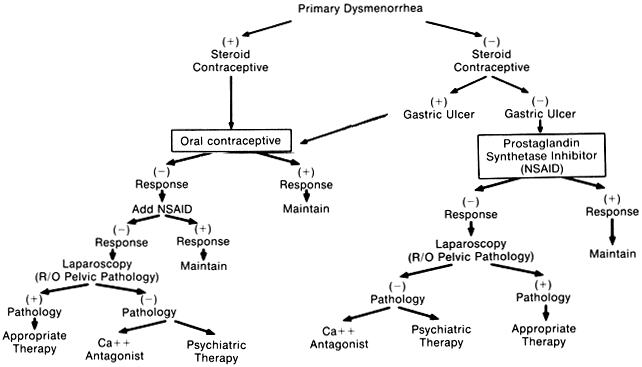
-Primary dysmenorrhea is characterized by recurrent, crampy lower abdominal pain occurring during menses and in the absence of demonstrable disease

-First line therapy includes heat packs and NSAIDS and/or estrogen progestin contraceptives

-For women who estrogen is not able to be used, NSAIDS only can be used as first line treatment

-Women who do not adequate pain relief with NSAIDS and/or estrogen contraceptive, secondary dysmenorrhea may need to be investigated

-Etiologies of secondary dysmenorrhea can include:  endometriosis, pelvic inflammatory disease, adhesions, pelvic congestion syndrome, adenomyosis, ovarian cancer, ovarian remnant syndrome, leiomyoma

-Treatment of secondary dysmenorrhea is targeted at determining cause and treating it if possible


-Menopause-


-Natural menopause is permanent cessation of menstrual periods for at least 12 months without any other obvious cause

-The median age is 51.4 of menopause

-Menopause is a reflection of complete, or near complete ovarian follicle depletion

-Menopause before the age of 40 is considered to be abnormal and is referred to as primary ovarian insufficiency or premature ovarian failure

-Peri menopause begins usually 4 years before the onset of the final menstrual period.  It is accompanied by hot flashes, marked hormonal fluctuations, sleep disturbances, mood symptoms, and vaginal dryness

-Workup should include HCG, FHS, THS, prolactin

-Estrogen is the gold standard for relief of menopausal symptoms.  Women with an intact uterus need a progestin in addition to estrogen to prevent endometrial hyperplasia

-Short term therapy is considered 2-3 years and generally not more than 5 years


-Premenstrual Syndrome-

-Premenstrual Syndrome references the physical and behavior symptoms that repetitively occur in the second half of the menstrual cycle and interfere with some aspects of a woman's life

-Premenstrual Dysphoric Disorder (PMDD) is symptoms of anger, irritability, and internal tension are prominent

-PMS is defined as at least one symptom associated with economic or social dysfunction that occurs five days before the onset of menses that occurs in at least 3 menstrual cycles

-Symptoms of PMS may be affective such as depression or angry outbursts, or physical such as breast pain or bloating

-Other potential causes of PMS symptoms include thyroid disorders, substance abuse, IBS, chronic fatigue symptoms, or migraines

-First line therapy for treatment is SSRI's such as fluoxetine, sertraline, paroxetine, or citalopram

-Other agents may help are oral contraceptives, xanax, or GnRH agonists

Neoplasms

Neoplasms-

-Endometrial Cancer-


-Endometrial Hyperplasia is the abnormal proliferation of both glandular and stromal elements showing altered histologic architecture

-Endometrial proliferation is an overabundance of endometrial whereas endometrial hyperplasia involves the structural elements.

-Different types of endometrial hyperplasia include cystic glandular hyperplasia, adenomatous hyperplasia, and atypical adenomatous hyperplasia

-Important concept is with continued estrogen stimulation through either endogenous or exogenous sources simple endometrial proliferation will lead to endometrial hyperplasia

-Risk factors for endometrial hyperplasia and endometrial carcinoma are anything that lead to an increase in estrogen in the environment.

-Diagnosis of endometrial hyperplasia or carcinoma is made by taking a sample.  Common ways to accomplish this are endometrial biopsy, D and C, or by removing of the uterus.

-The most common indication for endometrial sampling is abnormal bleeding especially those that are over 35.

-Most endometrial polyps are focal accentuated benign hyperplastic processes.

-Estrogen is implicated in antecedent hyperplasia; however, the actual stimulus to malignant degeneration to endometrial carcinoma is unclear

-Endometrial carcinoma usually occurs in women that are post menopausal

-Most primary endometrial carcinomas are adenocarcinomas

-Special consideration for endometrial sampling should be given to those with post menopausal bleeding that occurs after at least 6 months of amenorrhea.

-Endometrial carcinoma usually spreads throughout the endometrial cavity first and then begins to invade the myometrium, endocervical canal and eventually the lymphatics
-Once there is extrauterine spread to the abdominal and pelvic cavity, the spread can be similar to ovarian cancer

-Common histologic subtypes on endometrial carcinoma include:  papillary serous adenocarcinoma and clear cell adenocarcinoma

-The biggest prognostic factors is the histologic grade of endometrial cancer (Grading System is G1-G3)

-Surgical treatment is the cornerstone of therapy for endometrial carcinoma.  The abdomen pelvic cavity is explored and a TAHSO is performed

-Adjunctive therapy may include external beam radiation to reduce reoccurrence

-The first line treatment of recurrent disease is hormonal and includes progesterone at high doses.  Chemotherapy is also used


-Ovarian Neoplasms-


-The majority of primary ovarian tumors are partially cystic and derive from epithelial cells

-Ovarian neoplasms can also be from germ cells, sex cord stromal, and mixed types

-Leiomyoma (fibroid) is a neoplasm of smooth muscle that is benign that is usually from the uterus or broad ligament

-The majority of ovarian malignancies are from coelomic epithelium, with papillary cystoadenocarcinoma being most common

-The mean age at the time of diagnosis is 50 to 60 years old for ovarian cancer

-Presenting symptoms of ovarian cancer include dyspepsia, early satiety, anorexia, constipation, and bloating

-Patients may present with a pleural effusion with ovarian cancer

-Cervical Carcinoma-


-Cervical carcinoma is unique that there is a precursor lesion called  CIN (cervical intraepithelial neoplasia)

-CIN typically has a slow progression to frank cervical cancer

-Pap Smear is the non invasive screening test where samples are taken from the endocervix and exocervix

-Colposcopy is the follow up procedure for diagnosis on pap smears that are positive

-Treatments for precursor lesions CIN include cryotherapy, laser ablation, LEEP procedure (loop electrosurgical excision procedure), and cold knife cone biopsy with high cure rates

-Cervical cancer is now the second most common malignancy of women due to early detection

-Risk factors for development of cervical cancer:  early intercourse, multiple sex partners, early childbearing, male factors that are high risk, venereal infection, immune status, oral contraception, cigarette smoking, intrauterine DES exposure, and human papilloma virus exposure

-The area of metaplasia occurs for CIN between the old and new squamous columnar junction (SCJ)

-Ninety five percent of squamous intraepithelial neoplasia occurs in an area called the transformation zone

-Types of HPV associated with cervical carcinoma include types 16, 18, 31, 33, 35, 39, 45, 51, 52, 56, or 58

-Pap smears are recommended at age of first sexual intercourse or age of 18.

-The average age of invasive cervical carcinoma is 50

-The mainstays of treatment for invasive cervical carcinoma are radical surgical therapy and/or pelvic radiation


-Dysplasia (Cervical)-


-Cervical dysplasia is abnormal growth of precancerous cells on the surface of the cervix

-Cervical dysplasia is classified as high grade or low grade determined by the extent of the cell growth

-Cervical dysplasia is associated with HPV

-Surgical removal of abnormal tissue is the treatment of choice for cervical dysplasia


-Breast Cancer-


-Globally, Breast cancer is the most frequently diagnosed cancer and leading cause of cancer death in women

-In the US, breast cancer is the most common diagnosed cancer and the second most common cause of cancer death in women.

-Patients are staged via the TNM staging system

-Early stage includes stage I, IIa or a subset of II B

-Locally advanced includes a subset of patients with clinical stage II B and stage IIIA to IIIC disease

-Early stage breast cancer undergo primary surgery (lumpectomy or mastectomy) to the breast and regional nodes with or without radiation

-Following local treatment, systemic treatment may be offered based on primary tumor characteristics, tumor size, grade, status of estrogen receptors, progesterone receptors, and the human epidermal growth factor 2 (HER 2 ) receptor

-Locally advanced breast cancer is best managed with mutimodality therapy including systemic and local regional therapy


-Vaginal/Vulvar Neoplasms-


-Vaginal neoplasms are the rarest of all gynecologic neoplasms

-Carcinoma in Situ (CIS) occur mostly in the third decade of life.

-Over one half of the patients with CIS will have an antecedent or coexistent neoplasm of the lower genital tract

-Treatment options include laser ablation, local excision, and chemical treatment with 5 FU.  Total or partial vaginectomy with application of a split full thickness skin graft is usually reserved for treatment failures

-Invasive vaginal cancer is usually of the squamous cell carcinoma type (95%)

-Radiation therapy is the mainstay of treatment for patients with invasive vaginal cancer.   Radical hysterectomy combined with upper vaginectomy and pelvic lymphadectomy being used for upper vaginal lesion