-Normal Physiology-
-Dysfunctional Uterine Bleeding (DUB)-
-DUB is defined as irregular uterine bleeding not due to anatomic lesions in the uterus
-DUB is usually due to anovulation due to polycystic ovarian disease, exogenous obesity or adrenal to adrenal hyperplasia
-Females with DUB have irregular often heavy uterine bleeding
-Women with DUB have chronic estrus. They have non regular estrogen concentrations that stimulate growth and development of the endometrium
-When there is no predictable effect of ovulation, there is no progesterone induced changes
-With DUB the endometrium thickens and outgrows its blood supply and sloughs off causing irregular heavy bleeding that is not predictable
-If there is chronic stimulation of the uterine lining form low blood estrogen, the episodes of DUB are infrequent and light.
-When there is chronic stimulation from high levels of estrogen, the episodes of DUB are heavy and happen often
-Midcycle spotting can happen with ovulation and usually is self limited attributed to the sudden drop of estrogen
-Before a diagnosis of DUB is made, need to rule out structural causes such as uterine leiomyomata, infection or inflammation of the genital tract, cervical cancer, endometrial cancer, cervical erosions, cervical polyps, and lesion in the vagina.
-Complications of DUB include blood loss, endometrial hyperplasia that can lead to carcinoma, and incapacitating everyday living
-One treatment of DUB includes treatment with high dose progesterone for at least 10 day trying to thin the endometrial strip with withdrawal bleeding.
-Another alternative is administration of contraceptives to establish a regular withdrawal cycle in an effort to make it predictable
-If medical treatment fails, may need a D and C
-Amenorrhea-

-Amenorrhea is the absence of menses. It can be temporary, permanent, or occur intermittently
-Amenorrhea can result from dysfunction of he hypothalamus, pituitary, ovaries, uterus, or vagina
-Primary Amenorrhea is the absence of menarche by age 15
-Secondary amenorrhea is the absence of menses for 3 cycle intervals or six months women women were previously menstruating
-Etiologies of primary amenorrhea is usually the result of chromosomal abnormalities, hypothalamic hypogonadism, absence of uterus, cervix, or vagina (mullerian agenesis), transverse vaginal septum, imperforate hymen, and pituitary disease
-Pregnancy is the most common cause of secondary amenorrhea
-Common causes of secondary amenorrhea include disorders of the ovary, hypothalamus, pituitary, and uterus
-Lab work up should include pregnancy test, prolactin, FSH, TSH, DHEA-S
-High FSH concentrations suggest primary ovarian failure or insufficiency
-Further evaluation may look at assessment of estrogen status
-Treatment of women with secondary amenorrhea should be directed correcting the underlying pathology if possible and medical treatment to prevent complications such as estrogen replacement for prevention of osteoporosis
-Dysmenorrhea-
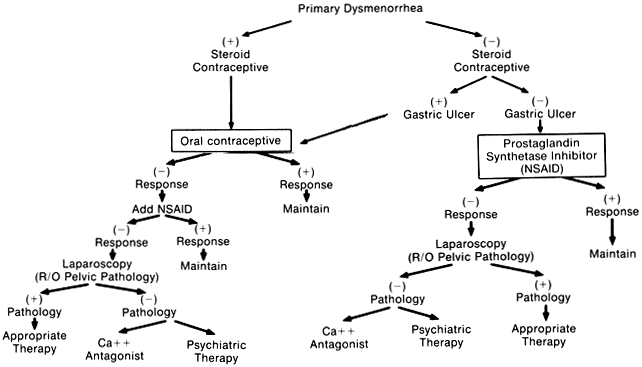
-Primary dysmenorrhea is characterized by recurrent, crampy lower abdominal pain occurring during menses and in the absence of demonstrable disease
-First line therapy includes heat packs and NSAIDS and/or estrogen progestin contraceptives
-For women who estrogen is not able to be used, NSAIDS only can be used as first line treatment
-Women who do not adequate pain relief with NSAIDS and/or estrogen contraceptive, secondary dysmenorrhea may need to be investigated
-Etiologies of secondary dysmenorrhea can include: endometriosis, pelvic inflammatory disease, adhesions, pelvic congestion syndrome, adenomyosis, ovarian cancer, ovarian remnant syndrome, leiomyoma
-Treatment of secondary dysmenorrhea is targeted at determining cause and treating it if possible
-Menopause-

-Natural menopause is permanent cessation of menstrual periods for at least 12 months without any other obvious cause
-The median age is 51.4 of menopause
-Menopause is a reflection of complete, or near complete ovarian follicle depletion
-Menopause before the age of 40 is considered to be abnormal and is referred to as primary ovarian insufficiency or premature ovarian failure
-Peri menopause begins usually 4 years before the onset of the final menstrual period. It is accompanied by hot flashes, marked hormonal fluctuations, sleep disturbances, mood symptoms, and vaginal dryness
-Workup should include HCG, FHS, THS, prolactin
-Estrogen is the gold standard for relief of menopausal symptoms. Women with an intact uterus need a progestin in addition to estrogen to prevent endometrial hyperplasia
-Short term therapy is considered 2-3 years and generally not more than 5 years
-Premenstrual Syndrome-
-Premenstrual Syndrome references the physical and behavior symptoms that repetitively occur in the second half of the menstrual cycle and interfere with some aspects of a woman's life
-Premenstrual Dysphoric Disorder (PMDD) is symptoms of anger, irritability, and internal tension are prominent
-PMS is defined as at least one symptom associated with economic or social dysfunction that occurs five days before the onset of menses that occurs in at least 3 menstrual cycles
-Symptoms of PMS may be affective such as depression or angry outbursts, or physical such as breast pain or bloating
-Other potential causes of PMS symptoms include thyroid disorders, substance abuse, IBS, chronic fatigue symptoms, or migraines
-First line therapy for treatment is SSRI's such as fluoxetine, sertraline, paroxetine, or citalopram
-Other agents may help are oral contraceptives, xanax, or GnRH agonists

No comments:
Post a Comment